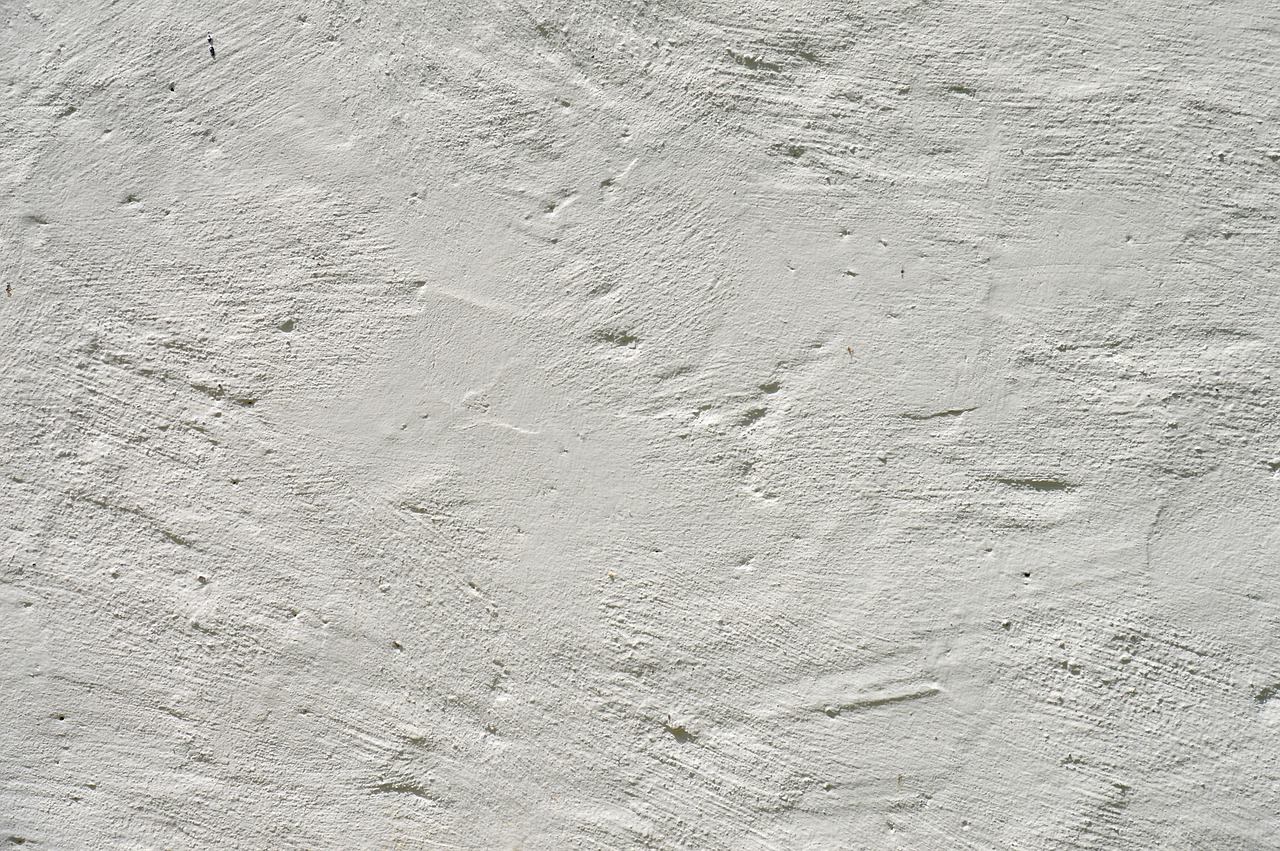
The Process of Stucco Replacement
Stucco is a popular exterior finish that adds character and durability to homes. However, over time, stucco can become damaged or outdated, necessitating a replacement. Understanding the process of stucco replacement is essential for homeowners considering this home improvement project.
What Is Stucco and Why Replace It?
Stucco is a cement-based mixture that is applied to exterior walls. It can provide a range of aesthetic finishes and is known for its durability against weather conditions. However, there are several reasons why you might consider replacing your stucco:
- Cracks and damage due to settling or moisture
- Outdated appearance that no longer matches your home’s style
- Mold or mildew growth that can affect indoor air quality
- Improper installation that leads to water infiltration
The Benefits of Stucco Replacement
Replacing stucco can enhance your home’s curb appeal and increase its market value. Additional benefits include:
- Improved insulation and energy efficiency
- Increased protection against pests and moisture
- A fresh, modern look that complements renovations or updates
- Long-lasting materials that reduce future maintenance needs
The Stucco Replacement Process
The process of replacing stucco involves several key steps to ensure a successful outcome.
1. Initial Assessment and Planning
Before beginning the replacement, a thorough assessment of the existing stucco and underlying structure is conducted. This helps to identify damage and determine if any structural repairs are needed.
2. Removal of Existing Stucco
The next step involves carefully removing the old stucco. This may require using tools like chisels and hammers or pneumatic tools, depending on the thickness and condition of the stucco.
3. Repairing the Underlying Structure
Once the old stucco is removed, any damaged areas of the underlying wall, such as wood or metal lath, need to be repaired or replaced to ensure a solid foundation for the new stucco.
4. Applying New Stucco
The new stucco is then applied in several layers. Typically, this includes a scratch coat, a brown coat, and a finish coat. Each layer serves a specific purpose and must cure properly before the next is applied.
5. Finishing Touches
After the final coat has cured, finishing touches such as painting or texturing can be applied. This allows homeowners to customize the appearance of their new stucco to match their preferences.
Choosing the Right Contractor
Selecting a qualified contractor for stucco replacement is crucial for ensuring the work is done correctly. Consider the following factors when choosing a contractor:
- Experience and expertise in stucco applications
- Positive reviews and references from past clients
- Proper licensing and insurance
- Transparent pricing and written estimates
Maintenance Tips for New Stucco
Once your stucco replacement is complete, maintaining it is essential to prolong its life and appearance. Here are some tips:
- Regularly inspect for cracks or signs of moisture damage
- Clean the stucco surface to remove dirt and debris
- Repaint every 5-10 years to maintain color and protection
- Ensure proper drainage around the home's foundation
Conclusion
Stucco replacement can be a significant investment in your home, but it offers numerous benefits, including enhanced aesthetics, improved insulation, and increased property value. By understanding the process and working with a qualified contractor, homeowners can ensure a successful stucco replacement project that will stand the test of time.